Published: November 24, 2025
The Supreme Court has allowed the Trump administration to enforce new rules blocking transgender and non-binary Americans from selecting passport sex markers that align with their gender identity. The decision marks a significant reversal of recent progress toward gender-inclusive documentation and has sparked widespread concern among civil rights advocates.
The policy comes from Executive Order 14168, issued by the White House on Jan. 20, 2025, titled “Defending Women from Gender Ideology Extremism and Restoring Biological Truth to the Federal Government.” The order instructs federal agencies to base all sex-related classifications strictly on what it calls “biological sex at birth,” removing previous options that recognized gender identity or non-binary identities.
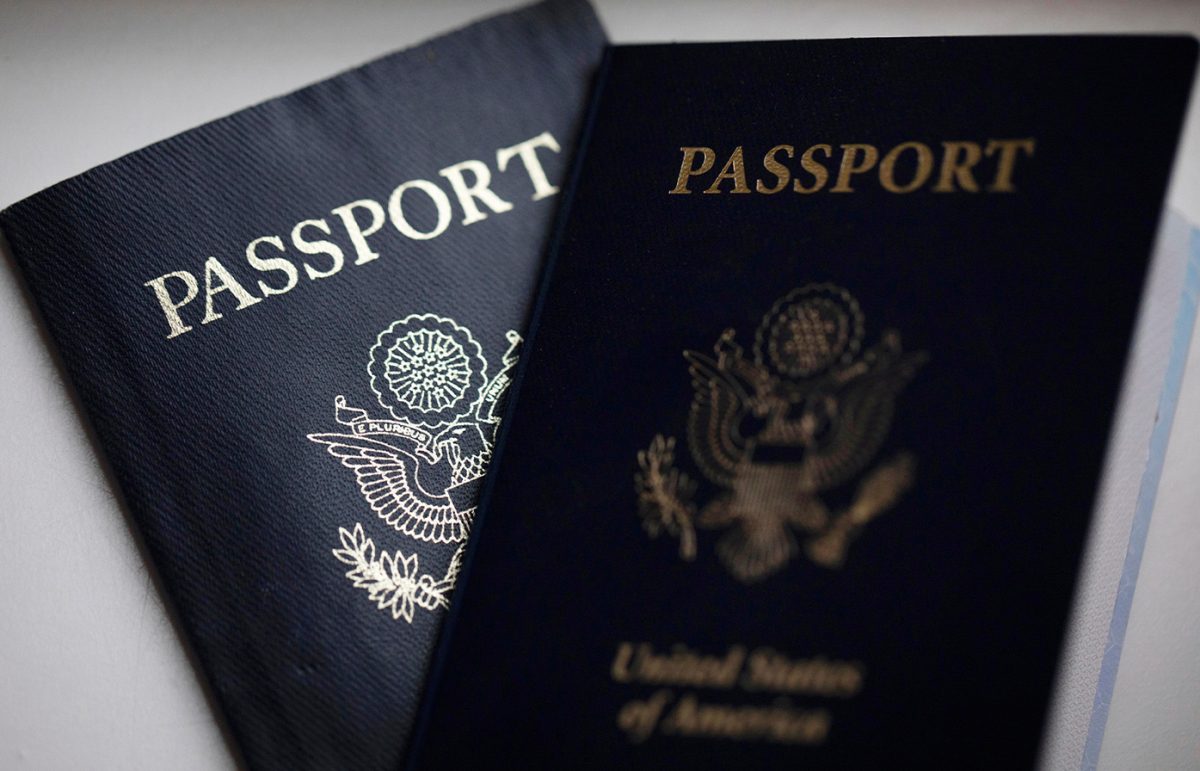
One of the most significant changes affects U.S. passports and Consular Reports of Birth Abroad, which are documents issued to Americans born overseas. Under the order, the U.S. Department of State can no longer issue passports with an “X” gender marker. The “X” option was first introduced in 2021 and was widely seen as a major step forward for non-binary, intersex, and gender-nonconforming people. With that option now eliminated, individuals may only choose “M” or “F,” and the department must match that marker to the sex listed on the applicant’s original birth documents.
Legal challenges quickly followed the policy announcement. At one point, a federal district court temporarily blocked the rule. That injunction allowed the State Department to grant some exceptions and issue passports that reflected a person’s gender identity. This temporary pause ended on Nov. 6, 2025, when the Supreme Court lifted the injunction in a short order that did not provide a written explanation. The decision opened the door for full enforcement of the administration’s policy without further delay.
With the injunction lifted, all new passport applications must comply with the requirement that the sex marker match the applicant’s sex assigned at birth. Requests for markers that do not align with that designation will be denied. This includes both requests for an “X” as well as requests from transgender applicants who want “M” or “F” markers that reflect their gender identity rather than the sex listed on their birth certificates.
The State Department has already warned applicants about possible delays during this transition. People who apply for markers that are no longer recognized may receive follow-up letters asking for more documentation or clarifying information. Even in those cases, the department will only issue a passport with a marker that matches the sex on the person’s birth documents or on previously issued federal IDs. Applicants cannot override this requirement.
Current passports are still valid for travel until they expire, even if they include an “X” marker or a marker that aligns with an individual’s gender identity rather than their birth sex. However, the government has updated the Advance Passenger Information System (APIS), which is used by airlines for security screening. APIS now accepts only “M” or “F,” and some travelers with existing “X” passports may face technical complications during check-in or boarding. Airlines are still working to understand how these changes will affect real-world travel.
Advocacy groups say the policy removes legal recognition for non-binary Americans and forces transgender people to carry identification that does not match who they are. They warn that the policy may increase the risk of harassment, discrimination, or involuntary outing during travel or identity checks. Many organizations also argue that the order undermines the safety and dignity of transgender and non-binary Americans, who already face high levels of discrimination.
Civil rights groups are expected to continue challenging the policy in court. They argue that Executive Order 14168 violates constitutional protections and may conflict with federal anti-discrimination laws. For now, however, the Supreme Court’s decision has cleared the final barrier to enforcement. The administration’s passport restrictions are now fully in place, reshaping federal identification policy and intensifying the national debate over gender, rights, and recognition.