










Published: October 20, 2025
Dear Editor,
I recently returned to USM as an MSW student after many years away. As a member of the Wabanaki Federation of tribes, I have appreciated hearing the land acknowledgments at university events. While I recognize that land acknowledgments are not without their complexities, I believe they can serve as an important starting point for reflecting on the lasting impacts of colonization.
Because I have a long history with USM, and am a former student body president and a founding member of the first Native American Association here, I would like to share a few early observations. First, I am truly encouraged to see a much more diverse faculty and student body than I experienced years ago. This feels like a real step forward for the university. I imagine that not every department has made equal progress, but the growth I do see is heartening.
At the same time, I have concerns that Native students have lost ground in some key areas. The Native American tuition waiver, for example, is now regarded primarily as a financial aid package rather than as a form of reparative justice, which is how Indigenous students, myself included, understand it. I want to emphasize that my experiences with staff in the financial aid office have been extremely positive; my concern is not with their work, but with the broader policy direction, which feels out of alignment with the spirit of the land acknowledgments.
In addition, USM currently has no Indigenous student coordinator. I have heard various explanations for this, including that the role is difficult to fill due to low pay. Regardless of the reason, Indigenous students need this dedicated support, and I hope the university will prioritize restoring this position.
I also understand that new campus developments include a commitment to create a gathering space for Indigenous students. While I appreciate this effort, the current space, an interior room on the third floor of the McGoldrick building, without windows, does not feel particularly welcoming or culturally appropriate.
Indigenous students need the support of each other, and I have been here six weeks and have yet to meet or be introduced to another indigenous student. If you are an indigenous student and would like to connect, please contact me.
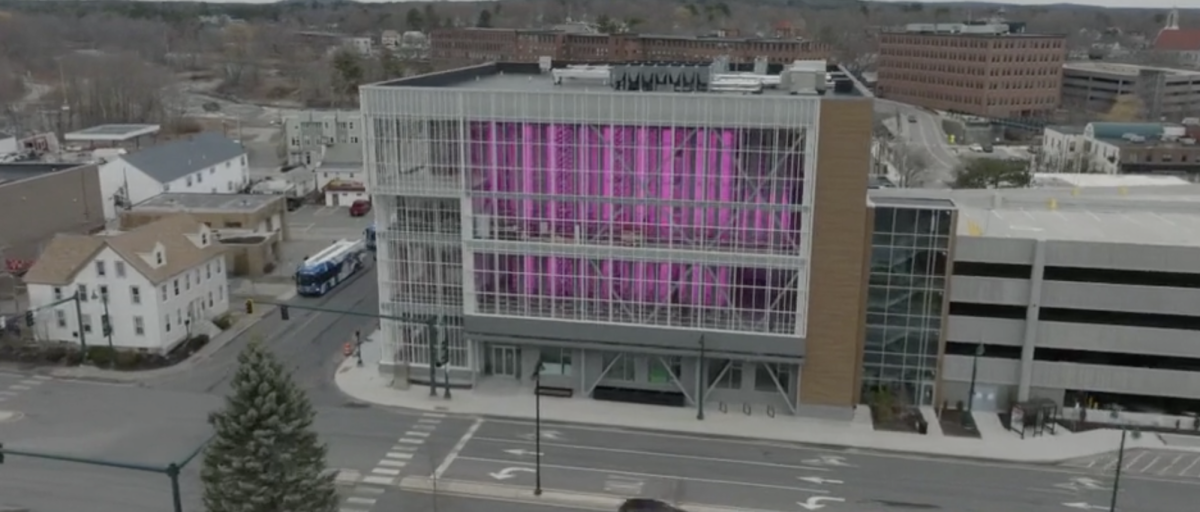
I am grateful for the land acknowledgments, but I believe USM has the chance to move beyond symbolic gestures and strengthen its tangible commitments to Indigenous students. Restoring the full tuition waiver, reinstating a coordinator position, and providing a more visible and meaningful gathering space would be important steps in that direction. Personally, I imagine an outdoor space on the central lawn, something that signals visibility, belonging, and respect. Or perhaps one of these big new buildings should be named the Wabinaki Community Center.
Warmly,
Mimiges Westwig
MSW Student


