











Published: April 27, 2026
With the rise of A.I. data centers across the United States, lawmakers in the state of Maine have approved a statewide moratorium for new data centers within the state. The decision to go through with the moratorium falls on the decision of Democratic Governor Janet Mills. Governor Mills has the decision of whether to veto said legislation, sign it into law, or, without her signature allow, it to become a law. If Governor Mills decides to go through with the ban on data centers in the state, it would officially mark the first ever statewide ban in the United States. In addition to this, the moratorium would halt any new data centers until the fall of 2027. In an interview with NBC News, Mills said, “It’s on my desk. I’m going to read it. Read it very carefully.”
Continuing with the same NBC interview, Mills did express her concerns regarding the potential harm of data centers, “I’m also concerned about what data centers have done in other states – consumption of electricity and water usage, those kinds of things,” she also put it into perspective within the state for the land that it would be used for, “This one is right on the Androscoggin River, and that paper mill once used 40-something million gallons of water each day. So I’m looking at the comparison there, and whether or not it’s viable.” When the Governor was asked if she would veto the bill and propose for the Legislature to rewrite, Mills said that it’s “difficult at this stage of the game.” and that Lawmakers only, “come back for one day,” that day being “for veto day”
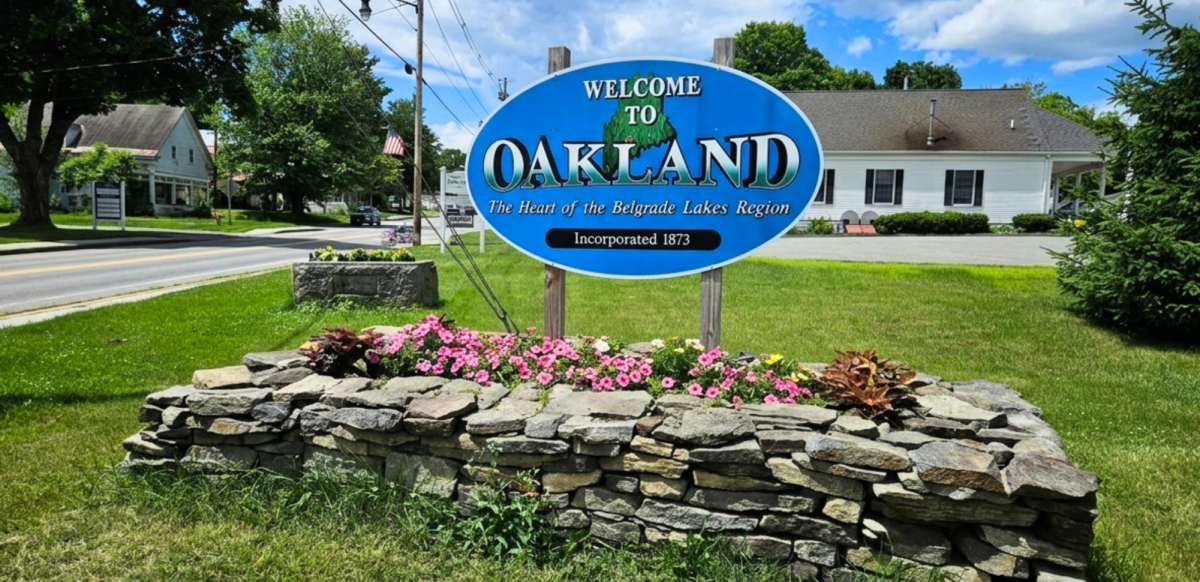
As previously mentioned, the data center would be built near the Androscoggin River, but would be in a small rural town called Jay. The data center project in Jay has been welcomed by local officials, and would occupy the vacant mill property while simultaneously tapping into its existing infrastructure. Going forward, developers said it would use a tiny fraction of the water once used by the mill, with no wastewater impacting the Androscoggin River, while providing millions of dollars in tax revenue. Melanie Sachs, a Democratic state representative from Freeport said, “We have evidence from other states telling us to plan carefully, because of negative impacts including noise, light, emissions, spikes in the power grid,” adding, “This bill is to make sure we meet the moment.”
The Trump administration has been applying pressure towards states to back out of A.I. regulations, with President Trump threatening to sue states and withhold funding if they pass any laws that are meant to restrict the growth of the industry. President Trump was quoted saying, “We remain in the earliest days of this technological revolution and are in a race with adversaries for supremacy within it.” Back when President Trump signed an executive order December 11th, he wrote, “To win, United States AI companies must be free to innovate without cumbersome regulation. But excessive State regulation thwarts this imperative.” When nearing the conclusion of the executive order written by Trump, he stated that, “Until such a national standard exists, however, it is imperative that my Administration takes action to check the most onerous and excessive laws emerging from the States that threaten to stymie innovation.”