Published: November 24, 2025
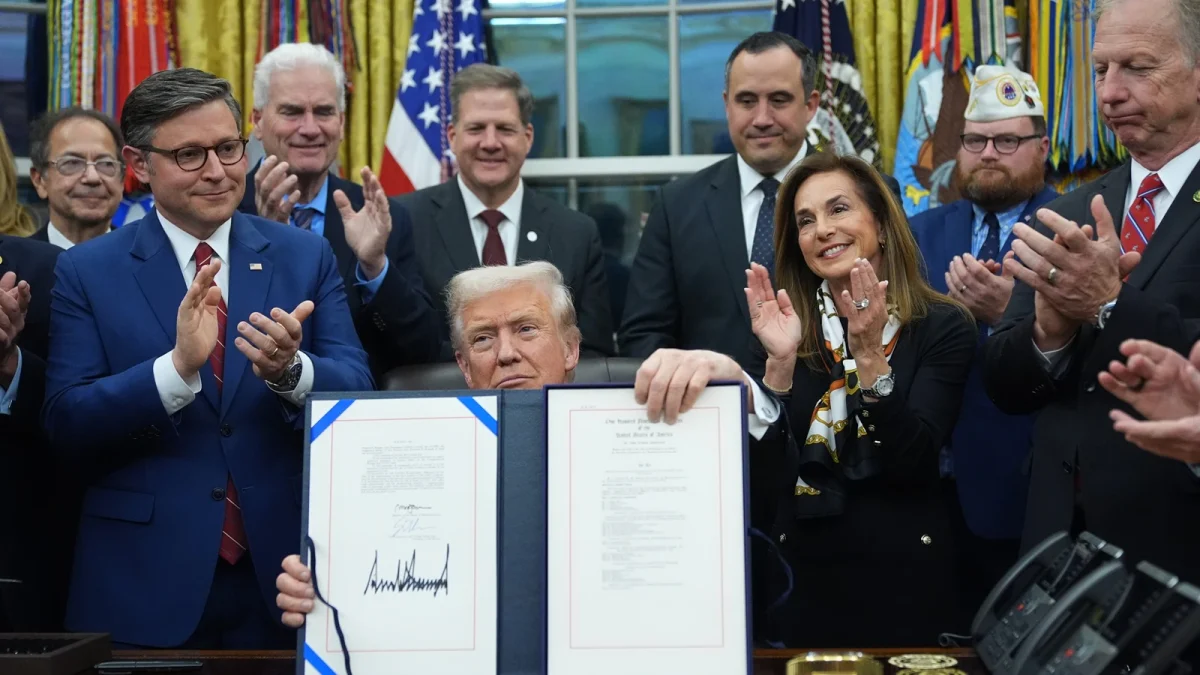
On Nov. 12, after 43 days, the federal government finally reopened. This marked the end of the longest government shutdown in U.S. history. Legislation signed by President Trump provides temporary funding through Jan. 30, 2026, and includes some longer-term fixes: it restores full SNAP funding and provides back pay to more than 1.25 million federal workers, including about 650,000 furloughed employees and another 600,000 who worked through the shutdown without pay.
In Maine, the shutdown’s end brings relief, but many of its difficult effects did not simply vanish overnight. During the shutdown, Maine’s Department of Health and Human Services reported that the U.S. Department of Agriculture’s Food and Nutrition Service had told the state not to issue November SNAP benefits. This is a huge concern, since over 169,000 Mainers depend on food assistance. With federal operations restored, the Maine Office for Family Independence said households that received only partial November SNAP benefits will receive the remainder. Updated USDA guidance came after the shutdown ended, and DHHS expects to issue missing amounts by Nov. 15. The disruption forced many food pantries and retailers to scramble during the shutdown, and some Mainers will feel the lag in support.
At the University of Southern Maine (USM) and across the University of Maine System (UMS), administrators are bracing for the operational backlog. According to a UMS notice, even though funding has resumed, federal agencies are still working through delayed grant reviews, contract approvals, and research oversight. That means faculty whose federally funded research has paused will likely see slower restarts. Researchers should expect “continued delays… as federal agency staff work through backlogs,” according to the University of Maine System. Student workers whose pay was tied to federal grants or work-study may now begin receiving retroactive pay.
Regarding student-aid, USM’s earlier planning indicated that while Pell Grants and federal loans continued through the shutdown, disbursement processes slowed due to furloughed Department of Education employees. As federal offices come back online, students may face a surge in administrative activity, including backlogged FAFSA processing, delayed financial-aid decisions, and a wave of communication from the university about resumed or changed timelines.
More broadly in Maine, the state faces a budget and service recovery challenge. Shutdown-related cash-flow hiccups affected not just SNAP but other programs. The Maine Department of Transportation warned that its ability to contract and pay for projects would be strained without new federal money. Some nonprofit agencies, key partners on campus and in local communities, are still assessing how much of their shutdown-related losses – staffing, matched funding, delayed grants – they will absorb or push to be reimbursed.
Over the next several weeks, the USM community will likely experience a mixture of relief and friction. For many students and staff, retroactive pay and resumption of work are welcome, but the cash-flow pinch they experienced may not be erased immediately. University offices will be busy triaging delayed grant deliverables, catching up on financial-aid paperwork, and coordinating with federal sponsors. Students who faced food insecurity during the shutdown may continue to lean on campus food pantries, especially as SNAP distributions stabilize.
Even though the shutdown is over, the recovery will stretch into December, perhaps longer for some. The experience shows just how fragile systems are when federal funding halts, especially for students, low-income families, and public institutions like USM.