














Published: February 23, 2026
You have likely heard it called many names: “Fat Tuesday”, “Carnival”, “Shrove Tuesday”, and most famously, “Mardi Gras”. No matter the name, the celebration is incredibly festive. With many traditions beginning in medieval times, Carnival continues to bring communities together across the world.
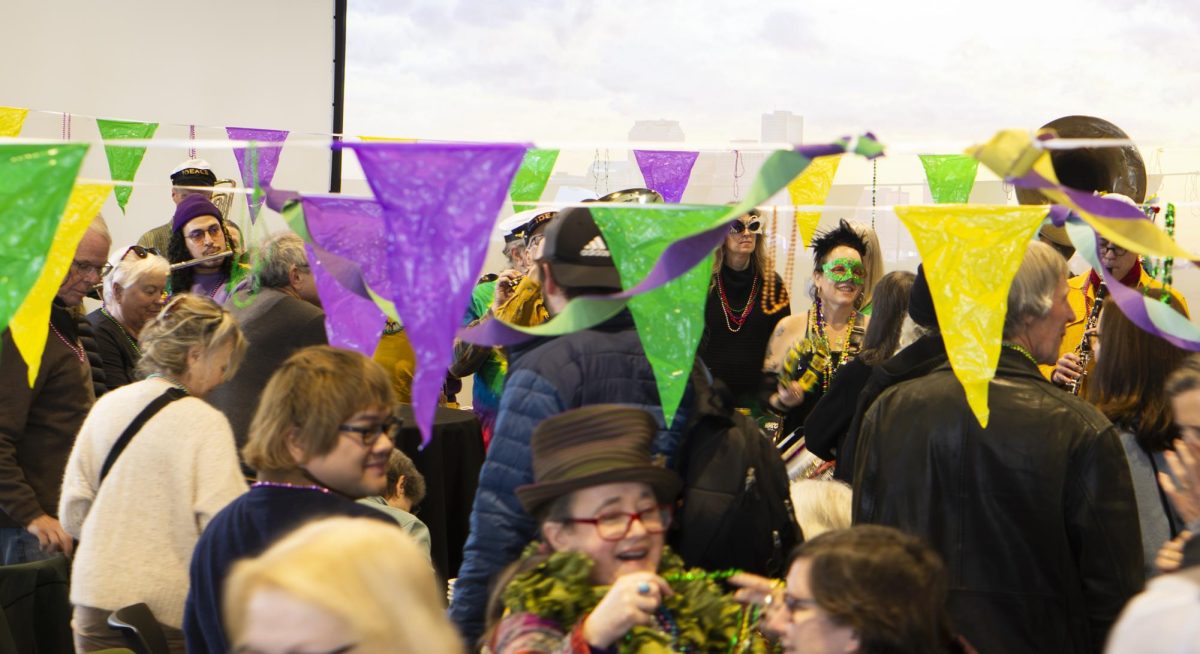
The celebration stems from pre-Lent, the three weeks when Catholics prepare for Easter. There are three big events within the pre-Lenten season: Shrovetide, Shrove Monday, and Shrove Tuesday. These are the last three days of consuming fatty food before fasting for 46 days. Since Mardi Gras is a religious holiday, it is linked to the moon cycles. The Carnival season is celebrated two weeks leading up to Mardi Gras, during which people parade with floats, give gifts, and listen to music.
Many people believe that Mardi Gras dates back to the Roman holiday Saturnalia; however, this is not a direct historical fact. Instead, Jean Baptiste Le Moyne Sieur de Bienville, a French Canadian explorer, arrived 60 miles south in New Orleans on March 2nd, 1699. His men realized it was the eve of the holiday and named it “Pointe du Mardi Gras”. Subsequently, Bienville established the Fort Louis de la Louisiane, which is now known as Mobile, Alabama. In 1703, Mobile established a secret society of which were the first to celebrate Mardi Gras.
Not long after the Mobile secret society disbanded, the Boeuf Gras Society was formed and celebrated Mardi Gras from 1711 through 1861. During their processions, a large bull’s head was paraded. Traditionally a French tradition, it was brought to the Americas as a symbol of abundance. After the original processions ended, it was revived by modern members of the secret society. In lieu of this practice, the Rex parade in New Orleans features a Boeuf Gras float that was reintroduced in 1959.
By the 1730s, Mardi Gras was widely celebrated in New Orleans, but not in the form the average American may picture today. Behind the scenes, there are many different cultural practices that shape Mardi Gras. One of the most important being the “krewes”.
Like Mobile’s secret society in 1703, krewes are private social clubs that plan Carnival celebrations. Krewes were imported to New Orleans Mardi Gras culture in 1857, starting with the oldest Carnival Krewe, Ye Mistick Krewe of Comus. At the same time, Louisiana’s governor, Marquis de Vaudreuill, hosted elegant balls which became the blueprint for Mardi Gras krewe celebrations. Each Krewe has a King and Queen who organize the balls; however, their identities are kept a secret until the event in order to preserve privacy and give the private balls a climax. Now, masquerade-like balls have been made even more extravagant by krewes like Rex, Zulu, Endymion, Bacchus, and many more. The structure of the krewes were based upon royal hierarchy, specifically the Greeks and Romans, which meant that Black Americans were left out of these practices altogether.
The exclusion from krewes led to separate traditions for Black Americans. One of these traditions are the Mardi Gras Indians. In an interview with PBS Voices, Ausettua Amoramenkum, a Black Masking Indian, says, “You can just stand there […] and watch years of resistance that’s manifested in creativity. That act of masking Indian is actually an act of defiance, because you said during my time that I couldn’t go on Canal Street, I couldn’t drink at your water fountain, I couldn’t go to Woolworth. I’m a chief. I’m a queen.” Ultimately, the Mardi Gras Indians took their name from Native Americans to pay their respects, as many tribes across the U.S. aided in slaves’ escape from captivity.
Another well-known practice from Mardi Gras is the King Cake tradition. This braided pastry is decorated with purple, green, and gold sugar, each color meaning justice, faith, and power. The root of the tradition comes from the celebration of Christ first showing himself to the Three Wise Men on the twelfth night, otherwise known as the Epiphany. Originally, a bean or coin was hidden inside the cake to represent the “king” of the evening. Now, however, a small plastic baby symbolizes baby Jesus. The person who happens to find the baby in their piece must either host the next party or bring the next king cake.
Overall, Mardi Gras is a multifaceted holiday for all to enjoy, bringing together music, food, and community. From New Orleans to Rio de Janeiro, people across the world embrace the season through intricate parades, balls, and traditions that make Mardi Gras a wonderful celebration of culture.