










Published: November 24, 2025
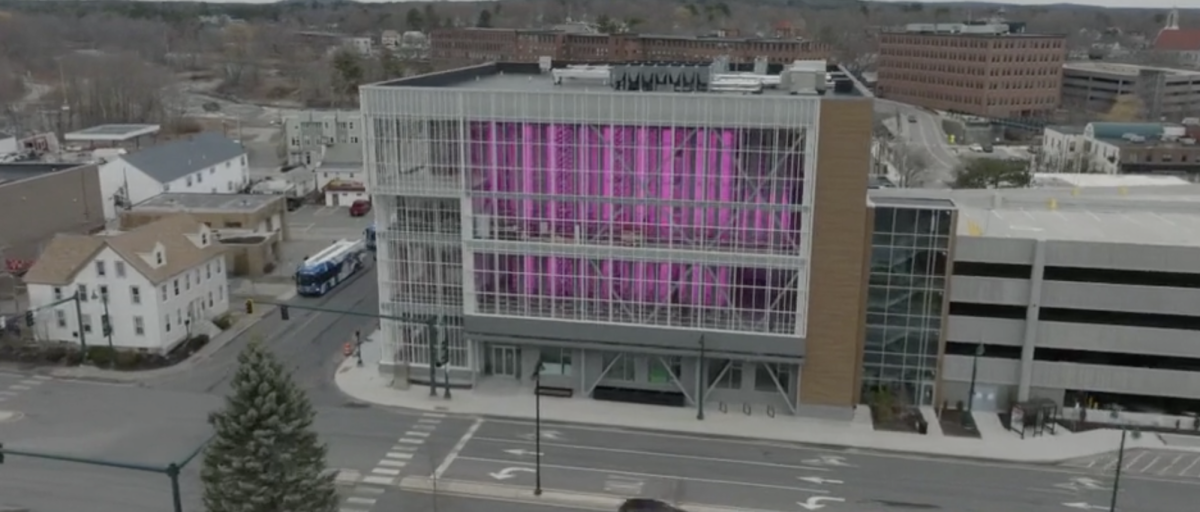
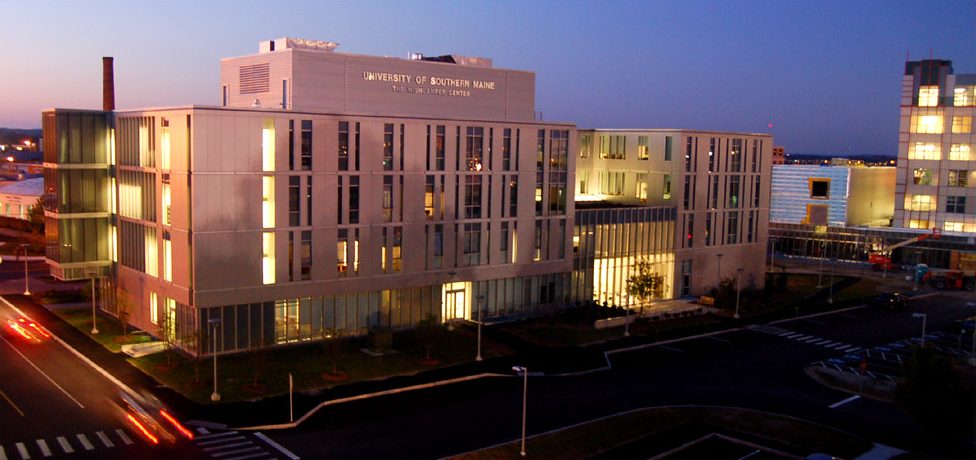
Renovations to the Presidential Suite in the University of Southern Maine’s Wishcamper Center have become a topic of conversation across campus, prompting questions and discussions among students, faculty, and staff. University officials maintain that the project represents a routine reconfiguration of existing office space, designed to improve functionality rather than completely redesign the suite.
According to project documents, the renovation will involve enclosing several existing office areas and creating a larger conference room with a concealed break area, among other updates. University administrators stress that these changes are not part of a full redesign, but rather adjustments intended to enhance workflow, create more usable meeting spaces, and improve the overall efficiency of the administrative offices housed in the suite. President Jacqueline Edmondson explained the funding for the project, stating, “This renovation is being funded through one-time savings from the previous fiscal year,” emphasizing that the work will not draw from the university’s ongoing operating budget.
Edmondson also addressed concerns raised regarding other recent financial and academic decisions occurring simultaneously with the Presidential Suite renovations. Questions have emerged about the elimination of the Therapeutic Recreation program and the retrenchment of two faculty members. Edmondson clarified, “Eliminating the Therapeutic Recreation program and retrenching two faculty members was not a budget decision, but instead based on declining enrollment… It is also a program that is being closed at the University of New Hampshire.”
The university’s recently implemented winter housing fee for this year has also been a point of discussion. Some students have expressed concern that the timing of this fee may contribute to uncertainty regarding how university resources are allocated. In response, Edmondson explained, “Charging a modest fee to remain in the residence halls over winter break is common practice at colleges and universities and is used to defray the cost of utilities and staffing needed to support students over break.”
University administrators note that the renovations to the Presidential Suite are primarily intended to support administrative functions. The enclosure of existing office areas is meant to create more effective workspaces, improve privacy when handling confidential information, and ensure that the suite can serve as a functional hub for university leadership. Edmondson emphasized this point, saying, “To characterize or even imply that this is a ‘boutique’ renovation
is the furthest thing from the truth,” indicating that the work is focused on practicality rather than aesthetics or luxury.
The administration has also highlighted its openness to community engagement regarding the project. Edmondson stated, “The administration is more than willing to answer questions from the community as they arise.”
As the work on the Presidential Suite moves forward, conversations on campus continue to reflect broader questions about how the university balances administrative needs with institutional priorities. While the renovations themselves are relatively modest in scale, the discussions surrounding them illuminate ongoing concerns about transparency and resource allocation. These conversations serve as a reminder of the importance of clear communication between university leadership and the campus community when administrative projects are underway.