







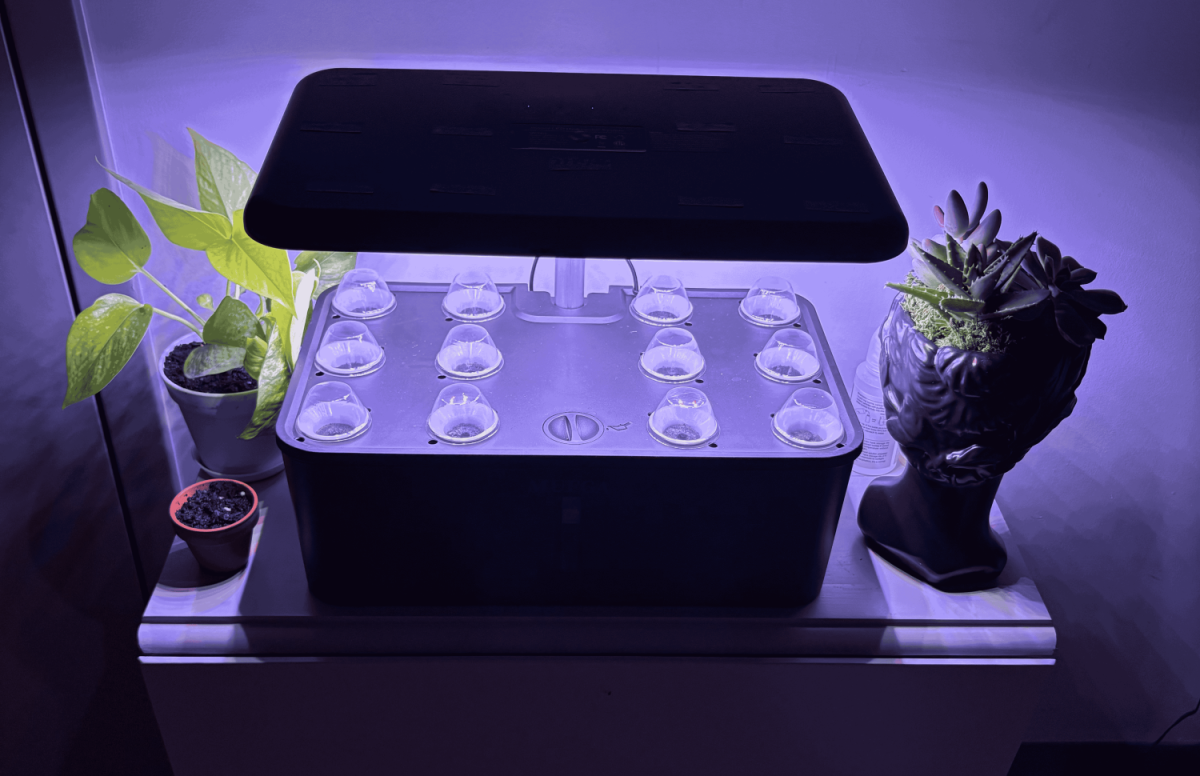







College students are not exactly known for having access to fresh food. Between meal plans, mini fridges, late-night microwave dinners, and the occasional “I guess this granola bar counts as lunch” moment, it can be hard to keep anything green and edible around for long. That is part of what makes the idea of a dorm-room hydroponic garden so appealing. Instead of buying herbs that wilt in a week or lettuce that gets forgotten in the back of the fridge, students can grow fresh food right in their room.
Hydroponics is a method of growing plants without soil. Instead, plants grow in water that contains the nutrients they need, often with the help of a small LED grow light. In a dorm, that usually means a compact countertop system that can support herbs, lettuce, and a few small flowers without taking up much room. It sounds like something out of a science lab, but for students, it can actually be a practical way to make dorm food fresher, dorm rooms more inviting, and daily life a little more enjoyable.
The biggest draw is freshness. A small hydroponic setup can provide herbs like basil, mint, parsley, cilantro, and chives, as well as leafy greens like lettuce. These are the kinds of ingredients that can instantly improve simple meals. Basil can upgrade pasta or pizza, cilantro can make instant rice bowls taste less boring, and fresh lettuce can turn a quick sandwich into something that feels more like a real meal. For students who cook even a little, having fresh ingredients within arm’s reach can make dorm eating feel less repetitive and less dependent on packaged food.
There is also a real possibility of saving money, especially for students who already buy herbs or salad greens. Fresh herbs at the grocery store are notoriously expensive for what they are, and they often go bad before one person can use them all. Buying a bunch of basil for one recipe only to throw half of it away a week later is a familiar problem. A hydroponic system changes that by letting students harvest only what they need. Over time, that can cut down on food waste and reduce how often they need to buy small, high-cost produce items. It is not going to replace a full grocery shop or feed an entire dorm floor, but it can absolutely help stretch a student’s budget when used consistently.
Hydroponics also makes sense in a dorm because it is cleaner and more space-efficient than traditional gardening. There is no spilled potting soil on the carpet, no heavy planters to move around, and no need for outdoor space. Most countertop systems are designed for apartments or kitchens, so they fit naturally into small rooms. For students who love the idea of keeping plants but do not want the mess of a traditional setup, hydroponics offers a much more manageable alternative.
Of course, a dorm hydroponic garden works best when students choose the right plants. The goal is not to grow a full vegetable garden in a residence hall. It is to grow things that are compact, useful, and relatively low-maintenance. Herbs are among the best options because they grow well in small systems and are easy to harvest in small amounts. Lettuce is another strong choice because it grows quickly and can be used regularly in meals. Flowers can also be a nice addition, especially if the goal is to brighten up a room and make the space feel less sterile, though edible herbs and greens are probably the most practical use of a dorm system.
And if your hydroponic ambitions expand beyond basil and lettuce, there is always spinach, which opens the door to what can only be described as “dinosaur time.” There is something deeply entertaining about clipping your own fresh spinach leaves in a dorm room and immediately feeling morally superior while pretending to graze like a very healthy little brontosaurus. Spinach also has some real nutritional bragging rights: raw spinach has about 2.7 milligrams of iron per 100 grams, and cooked spinach packs even more per cup because it shrinks down so dramatically. It is not a magic iron cure-all, since spinach contains compounds that can make that iron harder for your body to absorb, but it is still a solid way to sneak more nutrients into your diet. If nothing else, growing your own spinach means your dinosaur time can at least be farm-to-table.
Like any plant setup, hydroponics does require some care, and best practices matter if students want their system to actually thrive. It is important to choose a system with a built-in grow light or place it in a spot that receives reliable light, because dorm rooms do not always have enough natural sunlight for indoor growing. Students also need to keep the water reservoir filled, follow directions for adding nutrients, and clean the system regularly to prevent algae buildup or root problems. Overcrowding can also become an issue, so it helps to start with a few plants rather than trying to grow everything at once. In general, the most successful dorm hydroponic systems are the ones that stay simple: a few herbs, a few greens, regular upkeep, and realistic expectations.
Even with that maintenance, one of the most overlooked benefits of hydroponics is that it can genuinely make students happier. College dorms can feel temporary, crowded, and impersonal. They are full of cinderblock walls, standard furniture, and fluorescent lighting, and it is easy for daily life to become a cycle of classes, assignments, rehearsals, work, and sleep. A hydroponic garden adds something living to that environment. It gives students a routine outside of academics, even if that routine is as small as checking water levels in the morning or trimming basil leaves before dinner. Watching something grow in a space that often feels stressful and chaotic can be calming in a way that is hard to explain until you experience it.
There is also a sense of satisfaction in growing something you can actually use. Picking mint for tea, adding your own parsley to pasta, or watching lettuce regrow after a harvest can make a room feel more personal and more alive. For students who miss gardening at home, hydroponics can be a small way to stay connected to that part of their life. For others, it can be a new hobby that offers a break from screens, deadlines, and campus stress. It may seem like a minor thing, but in the middle of a demanding semester, having one corner of a room dedicated to growth, color, and care can make a real difference.
A hydroponic system is not a magic answer to dorm food problems, and it is not necessarily the cheapest upfront purchase. Students still have to pay for the unit, plant pods or seeds, and nutrients, and some systems cost more than others. But for students who value fresh food, want to waste less produce, enjoy caring for plants, or simply want to make a dorm room feel a little less bleak, it can be a worthwhile investment. At its best, a dorm hydroponic garden is more than a gadget. It is a practical source of herbs and greens, a way to save money over time, and a surprisingly effective way to make a small campus room feel more like home.